


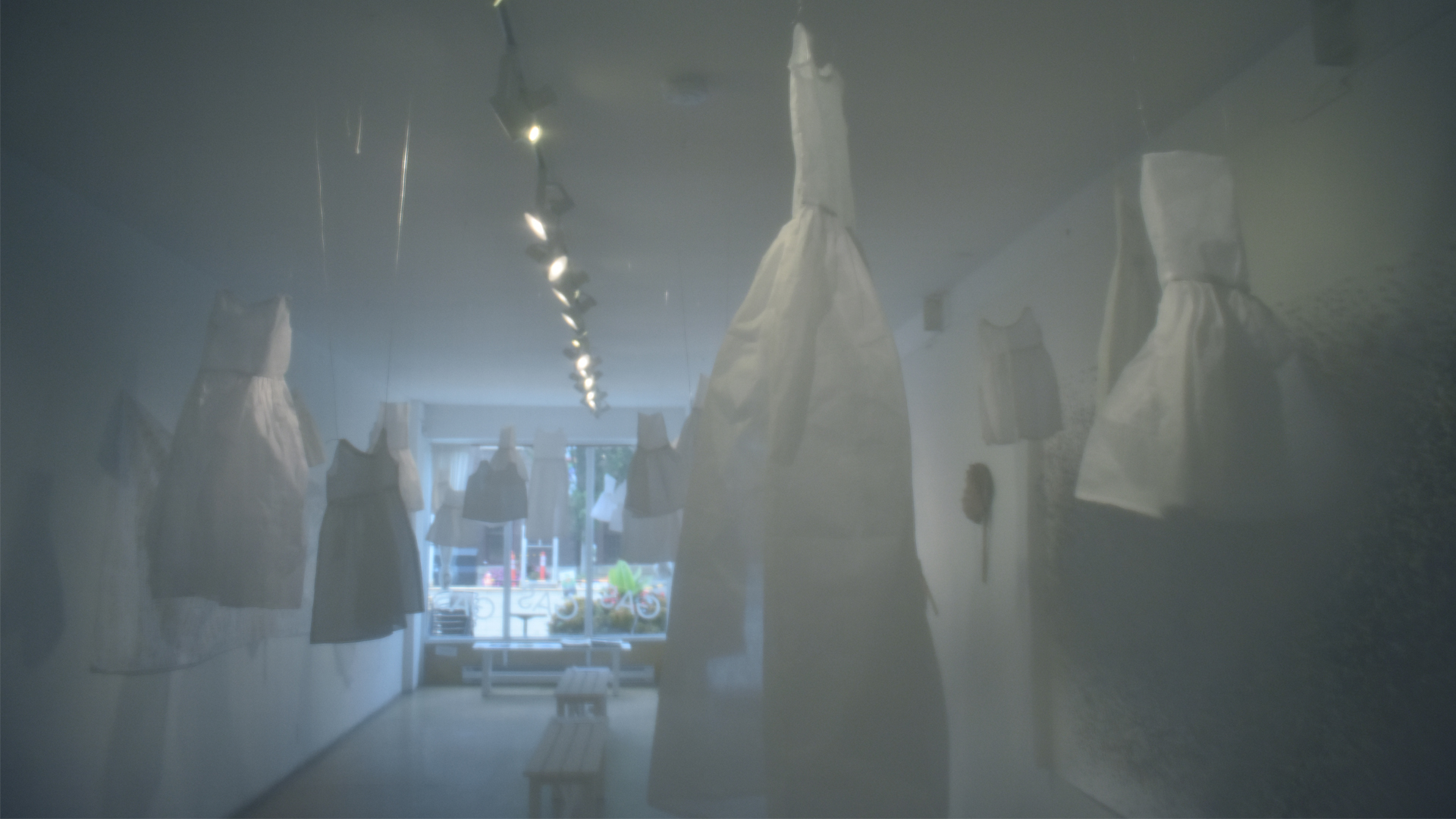


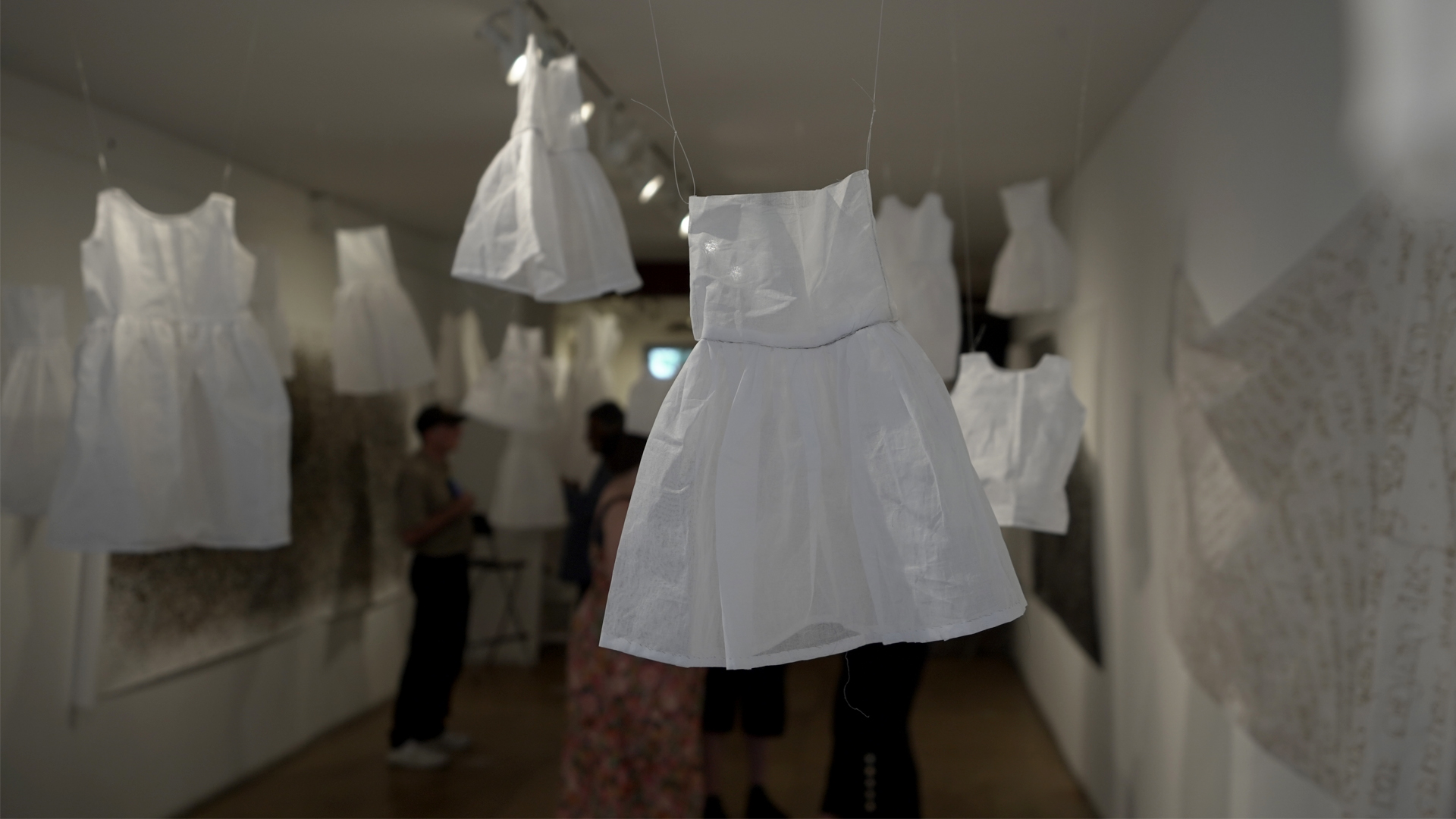


In 1971, after nine months of bloodbath, my home country Bangladesh was born. I was born five years after our liberation war ended. It was a short soul-wrenching struggle for independence that many do not know about, or the world has long forgotten. The war was brief, but the casualty was enormous. It was like a short story with a hopeful but tragic ending. The shadow of this war looms large in our collective psyche. We achieved our costly freedom, and as with any other birth, it was bloody and indelibly painful. Bangladesh was a victim of the violence of war perpetrated by an occupying military and political force and their local collaborators. We have suffered horrifying torture and lost so many lives through undoubtedly the worst war crime in recent memory. Systemically, as a policy of occupying force, women were brutally raped, and many got pregnant; some were aborted, but many were born in a society which not ready to accept them. Children, including the unborn, were also the victims of this war; they lost their lives before seeing their mothers’ faces. Many children were born instead of the massacre—many were adopted by unknown families from foreign countries—from all over the world—in another sense, Bangladesh lost them too in that segregation.
Nonetheless, the story did not end there; it’s been fifty years since our liberation war, and the sacrifices those war children have made for us to achieve not only a country or a flag for our identity; alas, we forgot their great sacrifices. Like other cultures, in Bangladesh, mothers sing lullabies to their children to put them to sleep—no one sings anymore—we have forgotten those because our memories are darkened with confusion by the politics, religion, and aggression of troubling historical discourses. Many Bangladeshis knowingly or unknowingly carry the wound in our hearts of that unrecognized genocide. Fate is singing its lullabies today, not to put us to sleep but to awaken us from sleep. This is the time to revisit the forgotten history of our liberation war and the forgotten memories of the children of the war.
.
